
Peter Saville designs record sleeve for Chanel’s Métiers d’art Manchester show
The four-track record is ‘curated’ by longtime Chanel collaborator Michel Gaubert.
For hundreds of years, photographs have been the dominant way of capturing memories. Whether of historic events or family gatherings, it’s almost a ritual to take out a camera and snap a picture, freezing a memory in time… but there’s one thing these pictures seem to miss – depth. In fact, Apple addressed this exact shortfall when they announced Spatial videos on their Vision Pro device (and even the latest iPhone 15 Pro).
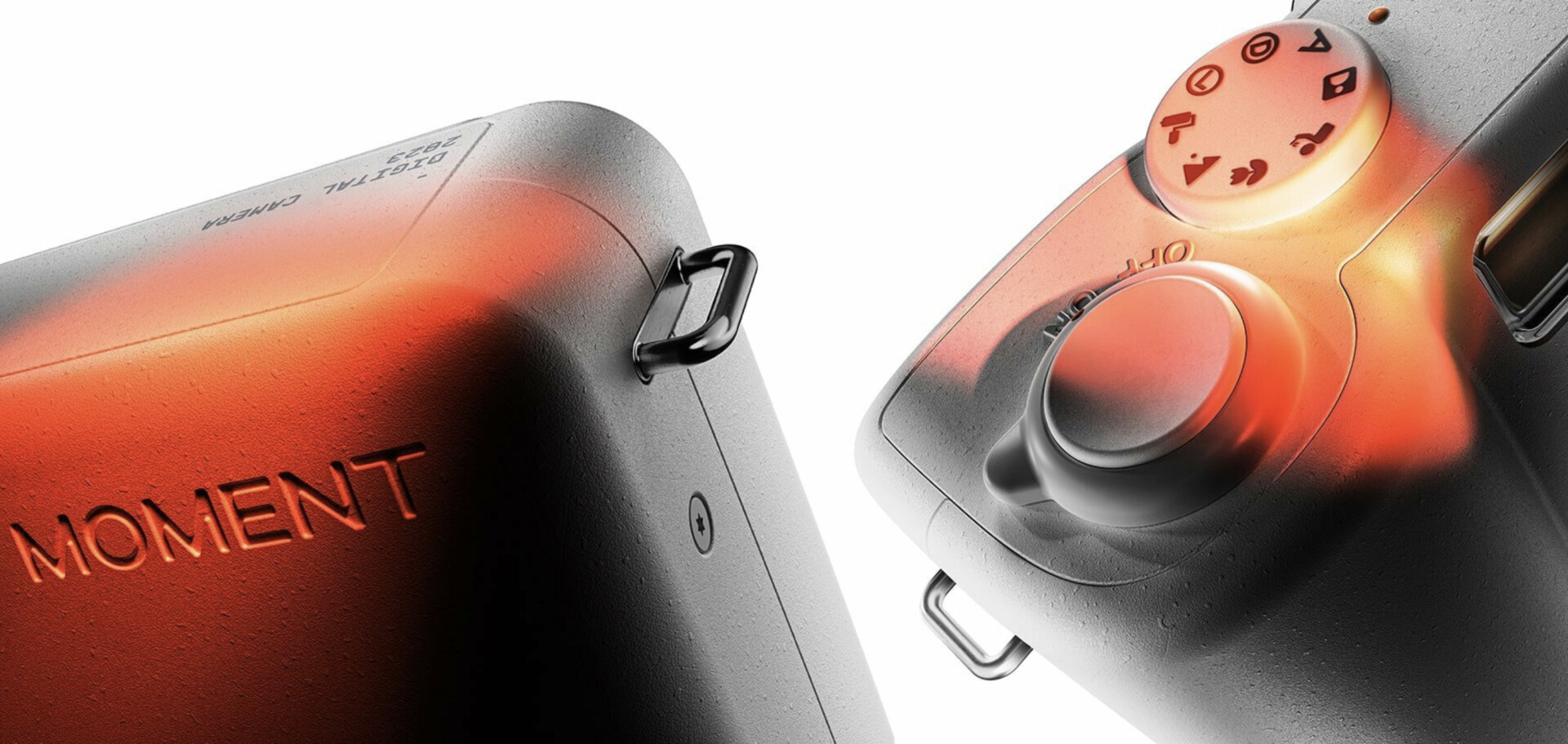
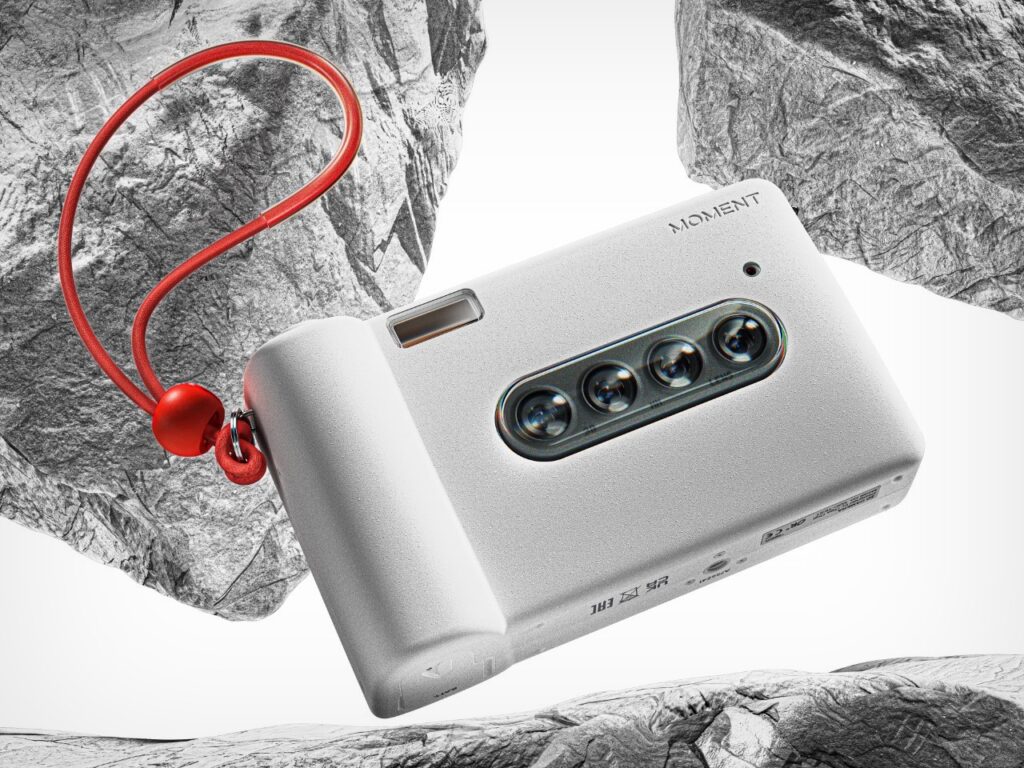
A playful nod to quadrascopic cameras of the 1980s, the Moment 3D Digital Camera by Olga Orel features multiples lenses that capture three-dimensional images and gifs with just one click of the shutter. Several frames are shot at once from different angles which are then adeptly combined into a singular image by the internal processor, mirroring the intricacies the human vision. The results are then displayed on the user-friendly touch screen, empowering users with instant results, allowing for immediate photo editing and convenient sharing on social networks or direct transfer to mobile phones.
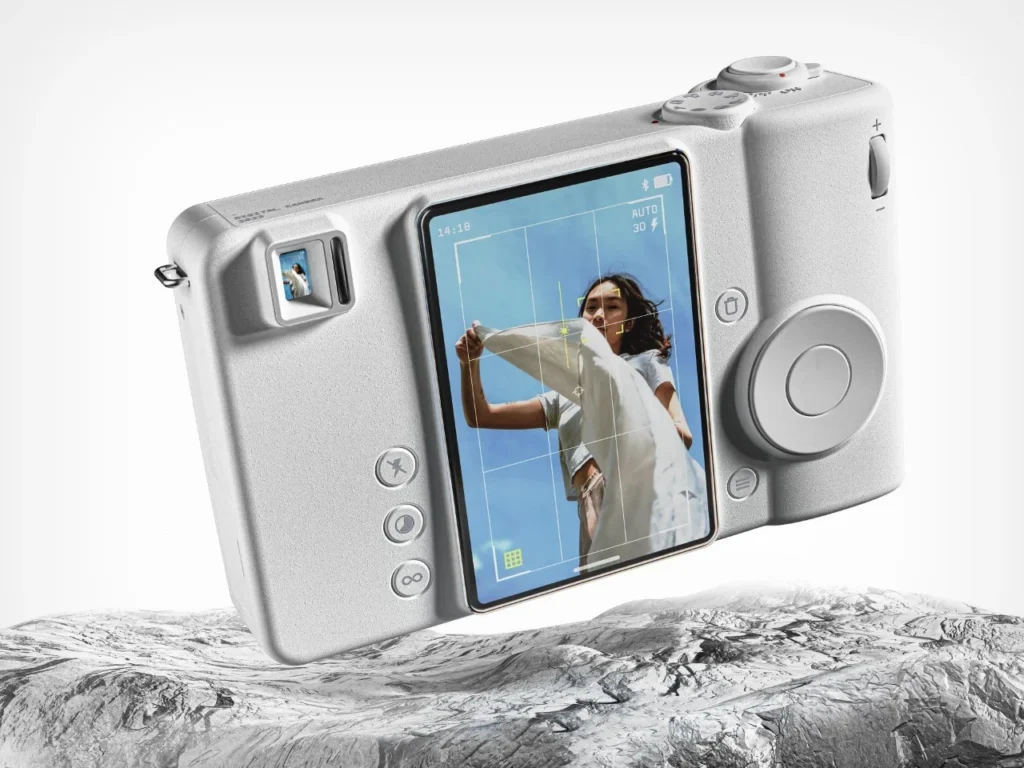
Olga Orel recalls how the Moment 3D Digital Camera is a nod to the stereoscopic concept found in old cameras like the Nishika N8000 and Nimslo which she discovered in the 1980s. These quadrascopic cameras, equipped with four lenses, aimed to produce four half-frame images with a single shutter click. The resulting negatives enabled the creation of lenticular prints. 3D photography, likewise, blends two or more photos together in an attempt to emulate the way we see dimensions in the real world, giving the viewer a sense or illusion of depth and movement. The historical predecessors, however, faced challenges in consumer adoption. The wait for prints, lasting weeks or even months, led to waning interest. In the present age of instant gifs and JPEGs, the Moment 3D Digital Camera addresses these concerns, catering to a contemporary market seeking immediate and tangible results.

